The smart guide to selling your wardrobe in Dubai
Your wardrobe is full. Not figuratively — literally full. The doors don't close properly, there's a precarious stack of shoeboxes on top, and somewhere behind the summer dresses is a coat you bought for a London trip in 2023 that you've worn exactly once.
Sound familiar? In Dubai, where incredible shopping is part of the lifestyle and new collections arrive constantly, wardrobes fill up quickly. But here's the thing: those clothes you're not wearing anymore are worth money. Real money.
Step 1: The honest edit
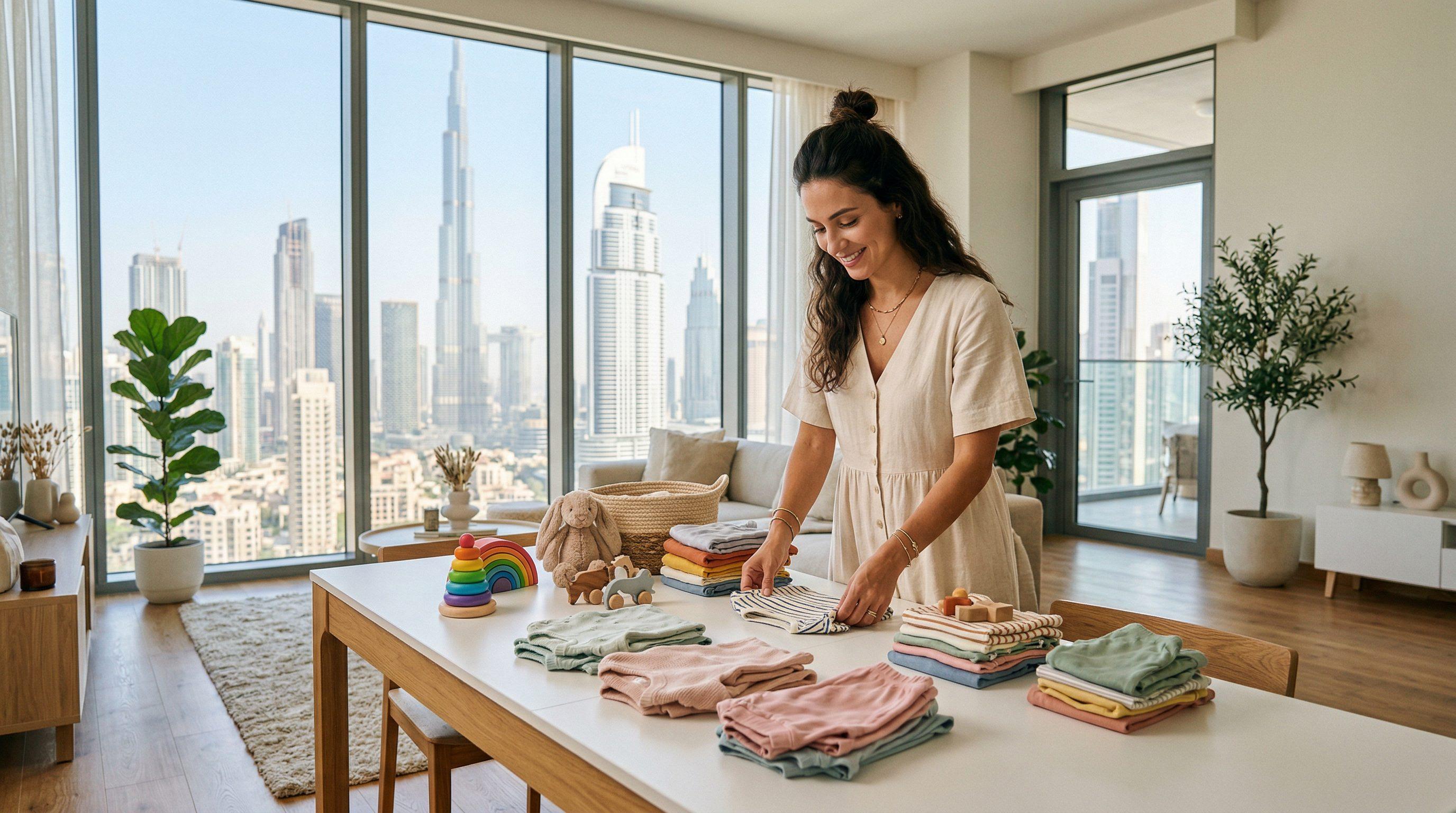
Pull everything out. Yes, everything. Then sort into three piles:
- Sell — good condition, recognisable brands, classic pieces that someone else will want
- Donate — wearable but unlikely to sell (fast fashion basics, heavily worn pieces)
- Bin — stained, ripped, or beyond repair
Be ruthless. If you haven't worn it in Dubai's climate for over a year, you're not going to. That faux-fur jacket was a great idea in the store but this is a city where it's 40°C for six months straight.
Step 2: Know what sells
In Dubai's pre-loved market, certain categories consistently outperform others:
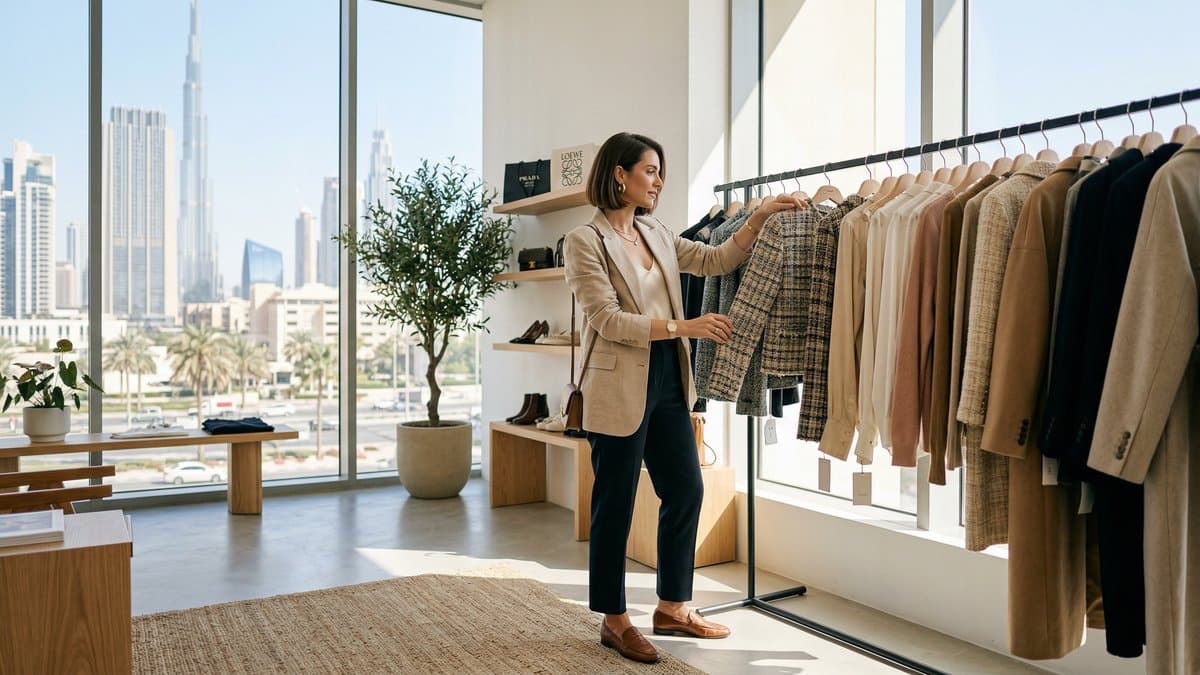
Women's fashion moves fastest. Abayas, modest wear, and occasion dresses are always in demand — especially around Eid and the Dubai social season (October through March). Brands like Reiss, Karen Millen, Massimo Dutti, and COS sell well because they're recognisable quality without being intimidatingly luxury.
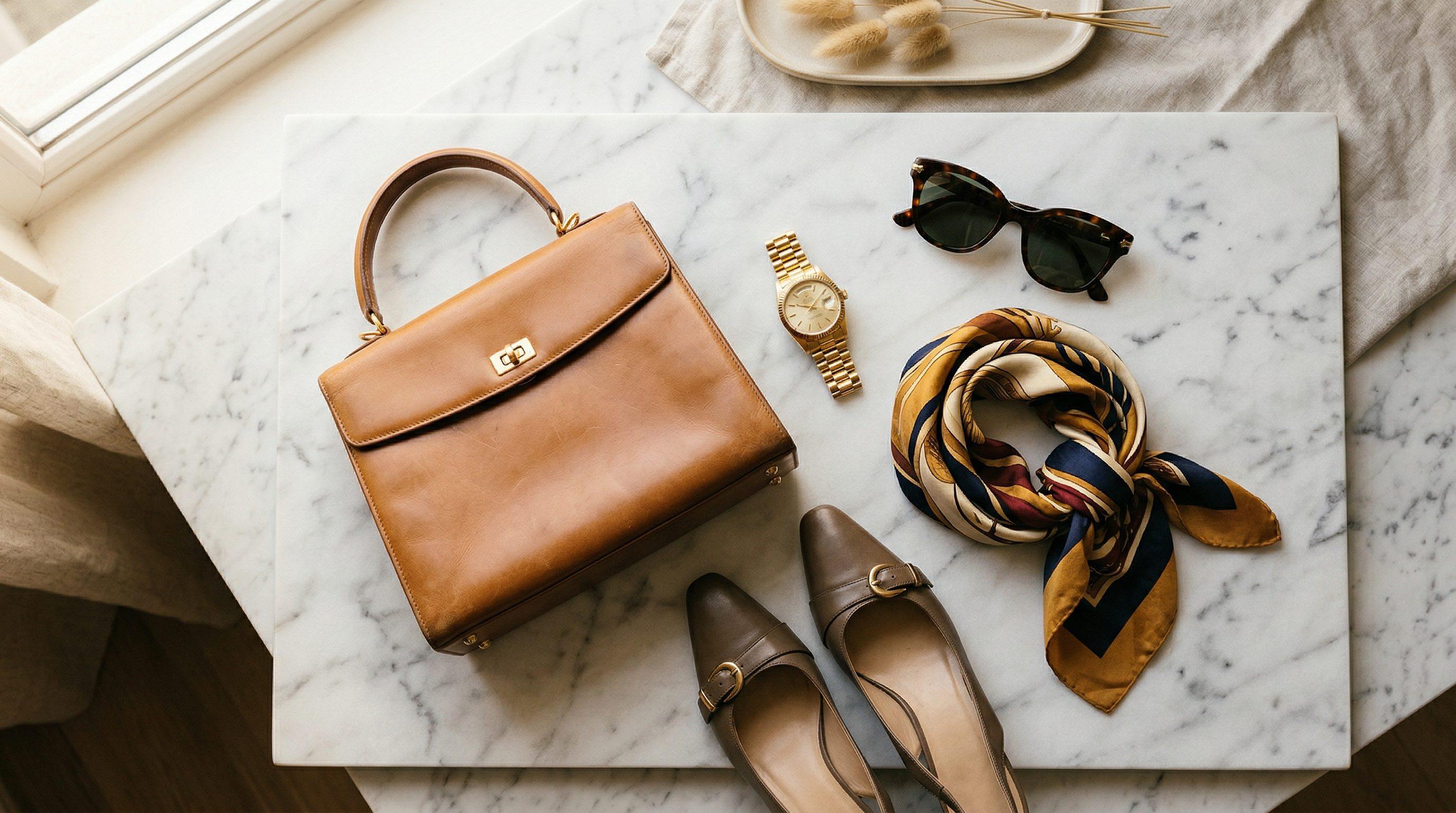
Designer and luxury items have a strong market too, particularly handbags, watches, and sunglasses. Dubai's beach club and brunch culture means people want to look good without paying full retail every time. A pre-loved Celine bag at 40% off? That's a no-brainer for most.
Men's fashion is growing. Kanduras, watches, sneakers (especially limited editions), and business wear all find buyers. The market is smaller but competition is lower, so your items get more visibility.
Browse what's already listed in women's fashion or men's fashion to see current pricing.
Step 3: Photos that sell
This is where most sellers let themselves down. Your photo is your shopfront. Here's what works:
- Natural light. Shoot near a window, never under bathroom fluorescents. Dubai apartments generally have good light — use it.
- Clean background. A white wall, a plain bedsheet, or a door — anything uncluttered. No laundry baskets in the background.
- Multiple angles. Front, back, label, and any flaws. Buyers trust transparent sellers.
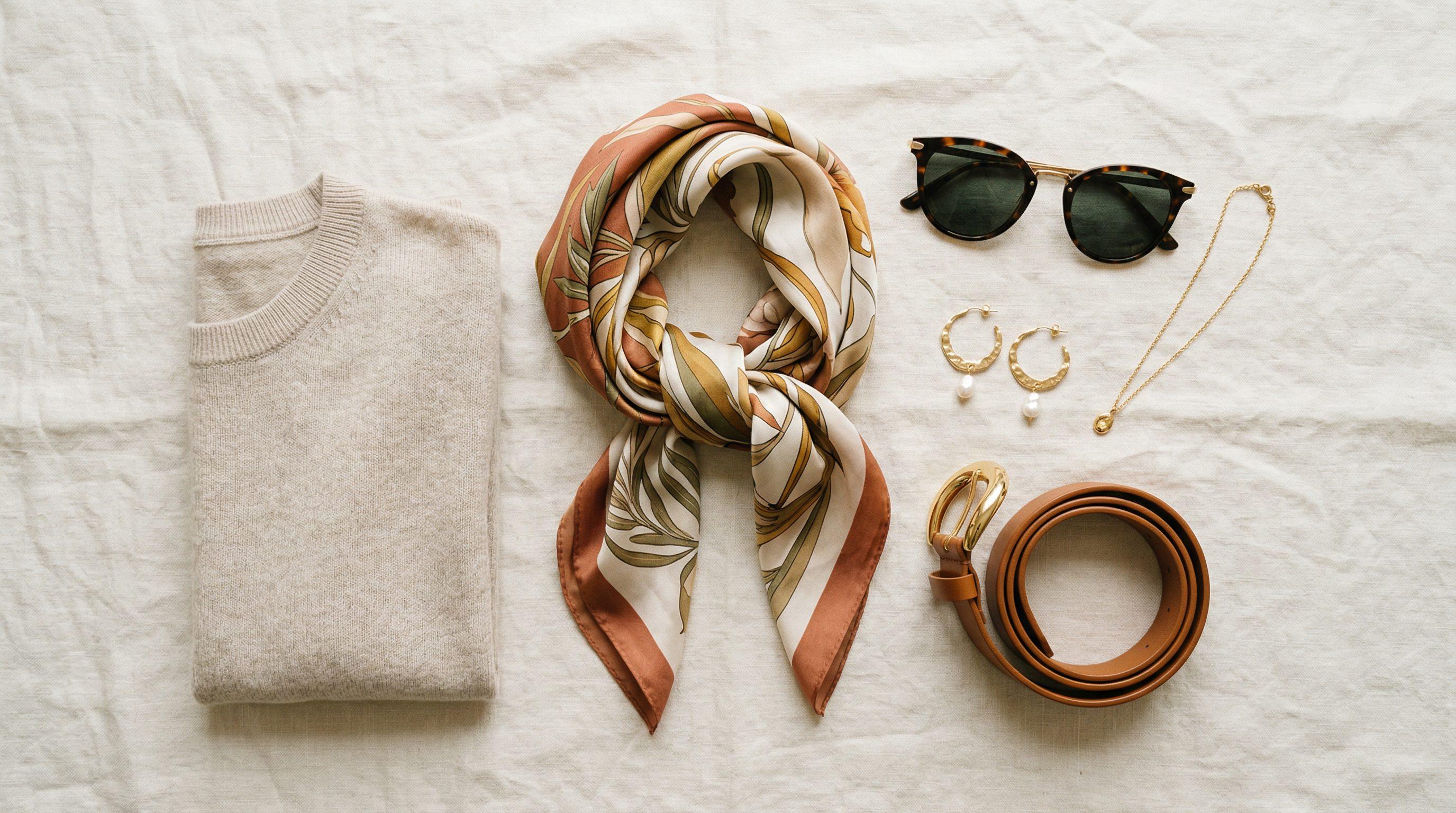
- Flat lay or hanger. Both work, but be consistent across your listings. It looks more professional.
- Show scale. For bags, shoes, or accessories, place next to something recognisable so buyers can gauge size.
Step 4: Pricing it right
The biggest mistake sellers make? Pricing based on what they paid, not what the market will bear.
A rough guide for pre-loved clothing in good condition:
- High street (Zara, H&M, Mango): 20–35% of retail
- Premium (Reiss, AllSaints, COS): 30–45% of retail
- Designer (Gucci, LV, Celine): 40–65% of retail, depending on condition and demand
- New with tags: Add 15–20% to the above ranges
Check completed listings on Souq'd to see what similar items actually sold for — not just what people are asking.
Step 5: Write a listing that converts
Your title should include the brand, item type, size, and colour. "Reiss navy midi dress size 10" beats "Beautiful dress for sale!!!" every time.
In the description, mention:
- Why you're selling (bought wrong size, wardrobe clearout, relocating)
- How many times you've worn it
- Any flaws, however minor — honesty builds trust and avoids returns
- Styling suggestions if relevant ("perfect for a DIFC Friday brunch")
Step 6: Ship it properly
With Souq'd, Aramex handles door-to-door collection and delivery across the UAE. You don't need to arrange courier, visit a post office, or negotiate with a buyer about meeting in a parking lot in Al Quoz. Pack it neatly, Aramex collects from your door, and the buyer receives it at theirs.
It's the Dubai convenience factor applied to selling secondhand — and it works.
Ready to turn your wardrobe into cash? Start listing on Souq'd — it takes about two minutes per item.
Frequently asked questions
- How do I price second-hand clothes in Dubai?
- As a general rule: high street brands (Zara, H&M) sell at 20–35% of retail, premium brands (Reiss, COS) at 30–45%, and designer labels (Gucci, LV) at 40–65%. Add 15–20% if the item is new with tags.
- What sells fastest on pre-loved marketplaces in Dubai?
- Women's fashion leads — especially abayas, modest wear, and occasion dresses around Eid and the social season. Designer handbags, watches, and limited-edition sneakers also move quickly.
- How does shipping work when selling clothes online in Dubai?
- On Souq'd, Aramex handles door-to-door collection and delivery across the UAE. You pack the item, Aramex picks it up from your door, and delivers it to the buyer — no post office trips needed.
- What photos should I take to sell clothes online?
- Shoot in natural light near a window, use a clean background, and take photos from multiple angles — front, back, label, and any flaws. Consistency across your listings (flat lay or hanger) makes you look professional.