From villa to apartment: downsizing in Dubai without losing your mind
It happens more than you'd think. You arrived in Dubai with a family of four and rented a villa in Arabian Ranches, Jumeirah Islands, or The Springs. Life was good — garden, pool, maids' room repurposed as a gym/storage/wine room. But now the kids are at boarding school, or the company restructured the housing allowance, or you simply realised you're paying AED 200,000 a year for a house where you use three of the seven rooms.
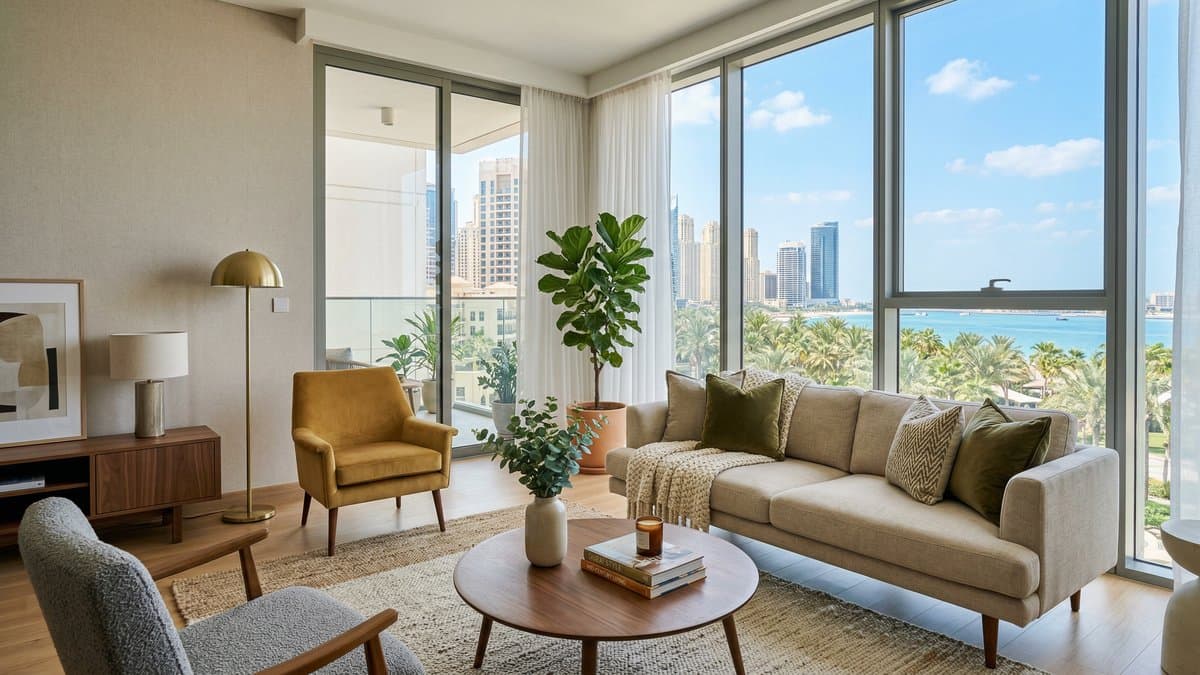
So you're downsizing. From villa to apartment. From four bedrooms and a garden to two bedrooms and a balcony in the Marina, JBR, Downtown, or DIFC. And the question you're staring at — standing in your garage surrounded by outdoor furniture, a redundant second sofa, and enough kitchen appliances to equip a restaurant — is: what do I do with all this stuff?
Step 1: The room-by-room audit
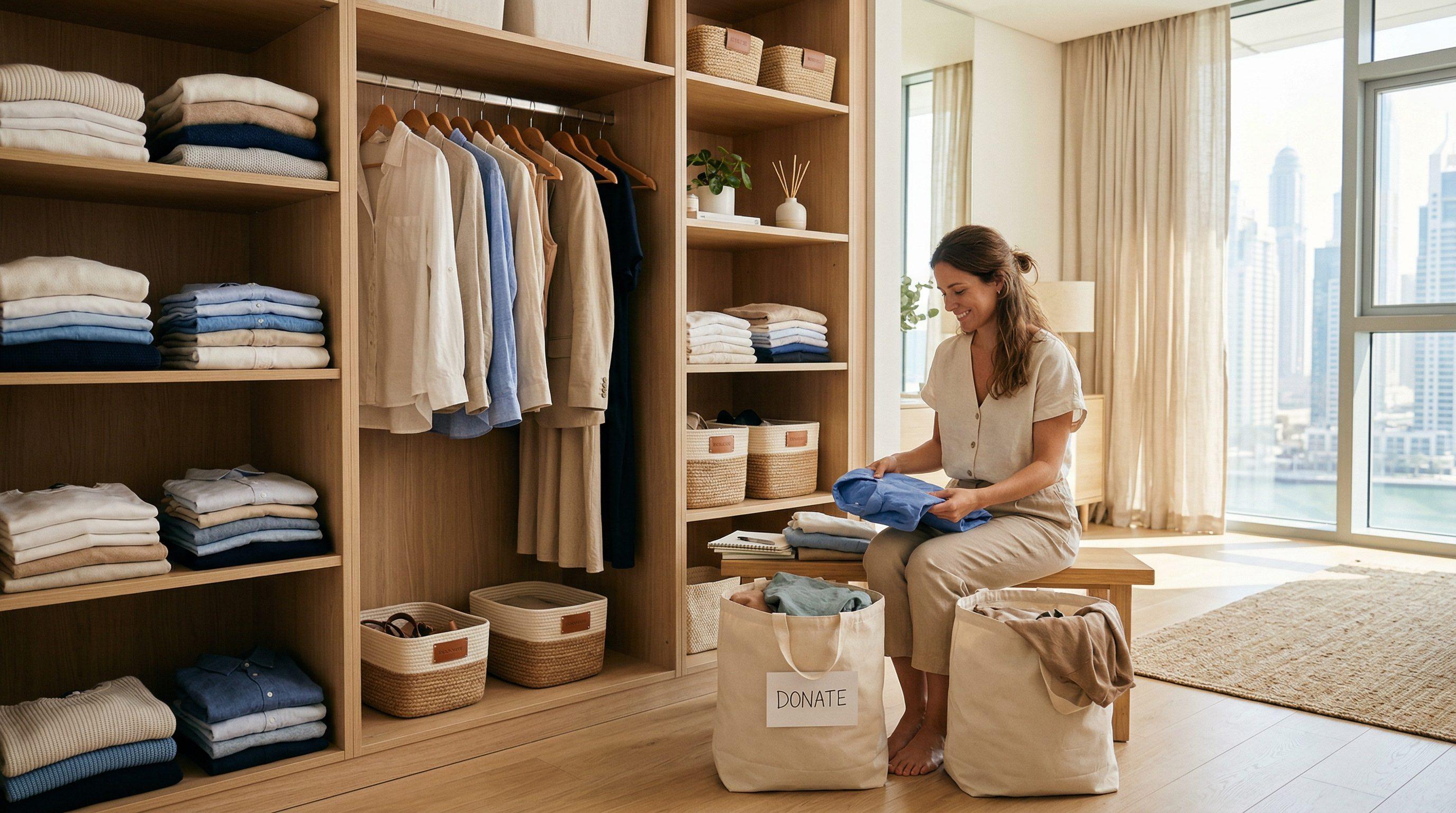
Before you list anything for sale, walk through every room and sort items into four categories:
- Keep: Fits the new apartment, can't live without it, or too sentimental to sell
- Sell: Good condition, has market value, won't fit or isn't needed in the new space
- Donate: Usable but low resale value (think basic IKEA furniture, worn soft furnishings)
- Bin: Broken, stained, or genuinely worthless
Be honest with yourself. That dining table that seats eight? You're moving to an apartment with an open-plan kitchen island. It has to go. The outdoor sofa set? There's a 12 square metre balcony in your future. It's not coming with you.
Step 2: What sells well (and what doesn't)
Good news: most household items hold reasonable resale value in Dubai because demand is constant. New arrivals need exactly what you're selling.
Sells well:
- Quality sofas and armchairs (Pottery Barn, West Elm, Crate & Barrel)
- Dining tables and chairs
- Bed frames and mattresses (if in good condition — buyers are more selective here)
- Kitchen appliances (KitchenAid, Vitamix, coffee machines)
- Garden furniture and BBQs
- Children's furniture (bunk beds, desks, wardrobes)
- Storage solutions (bookcases, shelving units, TV units)
Harder to sell:
- Basic IKEA furniture (too much supply, low perceived value)
- Custom or built-in pieces that only fit specific spaces
- Very large items (the logistics put buyers off)
- Heavily personalised décor (your taste isn't everyone's taste)
List your items on Souq'd's home section where the audience is actively looking for pre-loved home furnishings.
Step 3: Pricing for a deadline
Here's the reality of downsizing: you have a move date. The villa handover is on the 28th, the apartment handover is on the 1st, and everything needs to be out by then. This changes your pricing strategy.
Start listing 4–6 weeks before your move date. This gives you time to sell at reasonable prices. If you wait until the last week, you'll be giving things away or — worse — paying someone to take them to the dump.
Price at 30–50% of retail for items in good condition. Don't anchor to what you paid — anchor to what the market will pay today. A AED 8,000 Pottery Barn sofa that's 2 years old will sell for AED 3,500–4,500. That's still AED 3,500 in your pocket.
Bundle where possible. A complete dining set (table + 6 chairs) sells faster and for more than the pieces individually. Same with bedroom sets (bed frame + mattress + side tables).
Step 4: The logistics
For smaller items — kitchen appliances, décor, children's clothing and toys — Souq'd's Aramex delivery handles collection and delivery seamlessly. Pack it, Aramex collects from your door, done.
For larger furniture items, you may need to arrange buyer collection or use a local moving service. Many buyers in Dubai are happy to arrange their own pickup, especially for large items where they want to inspect before committing.
Step 5: The emotional edit
Downsizing isn't just logistical — it's emotional. That garden table where you had Friday brunches with friends. The kids' room you decorated when they were three. The stupidly expensive coffee machine your partner bought for the villa kitchen.
Here's a useful framework: keep the memories, sell the objects. Take photos of spaces you loved. Keep one or two genuinely sentimental items. But the furniture itself? It's served its purpose. Let it serve someone else's next chapter.
The upside nobody talks about
Most people who downsize in Dubai report the same thing six months later: they wish they'd done it sooner. Less space means less stuff to maintain, clean, and worry about. Lower rent means more disposable income. An apartment in the Marina or Downtown means walkability, community, and proximity to everything — something villa life in the suburbs rarely offers.
And the money recovered from selling your villa contents? That's a significant sum. AED 10,000–25,000 from furniture and appliance sales is common. That's a holiday, a savings boost, or the deposit on a nicer apartment.
Start by listing your first items on Souq'd. Once you sell the first piece, the momentum builds quickly — and your new, simpler Dubai life gets a little closer.
Frequently asked questions
- How do I sell furniture when downsizing in Dubai?
- List items on Souq'd with clear photos and measurements. Furniture from brands like Pottery Barn, Crate & Barrel, and IKEA sells well. Price at 30–50% of retail for quick sales, or higher for premium pieces in excellent condition.
- What furniture sells best second-hand in Dubai?
- Sofas, dining tables, outdoor furniture, and children's bedroom sets are in highest demand. Premium brands hold value better. Garden and patio furniture sells especially well given Dubai's outdoor lifestyle.
- How much can I make selling villa contents in Dubai?
- Most downsizers recover AED 10,000–25,000 from furniture and appliance sales. Large items like sofas (AED 1,000–3,000), dining sets (AED 800–2,000), and outdoor furniture (AED 500–2,000) generate the most revenue.
- What should I do with items that won't sell?
- Donate to charity shops like Cash Converters, Thrift for Good, or the Salvation Army Dubai. For items beyond repair, Dubai Municipality has designated collection points. Don't leave items on the street — it's a finable offence.